Where to See the Northern Lights in the UK Tonight
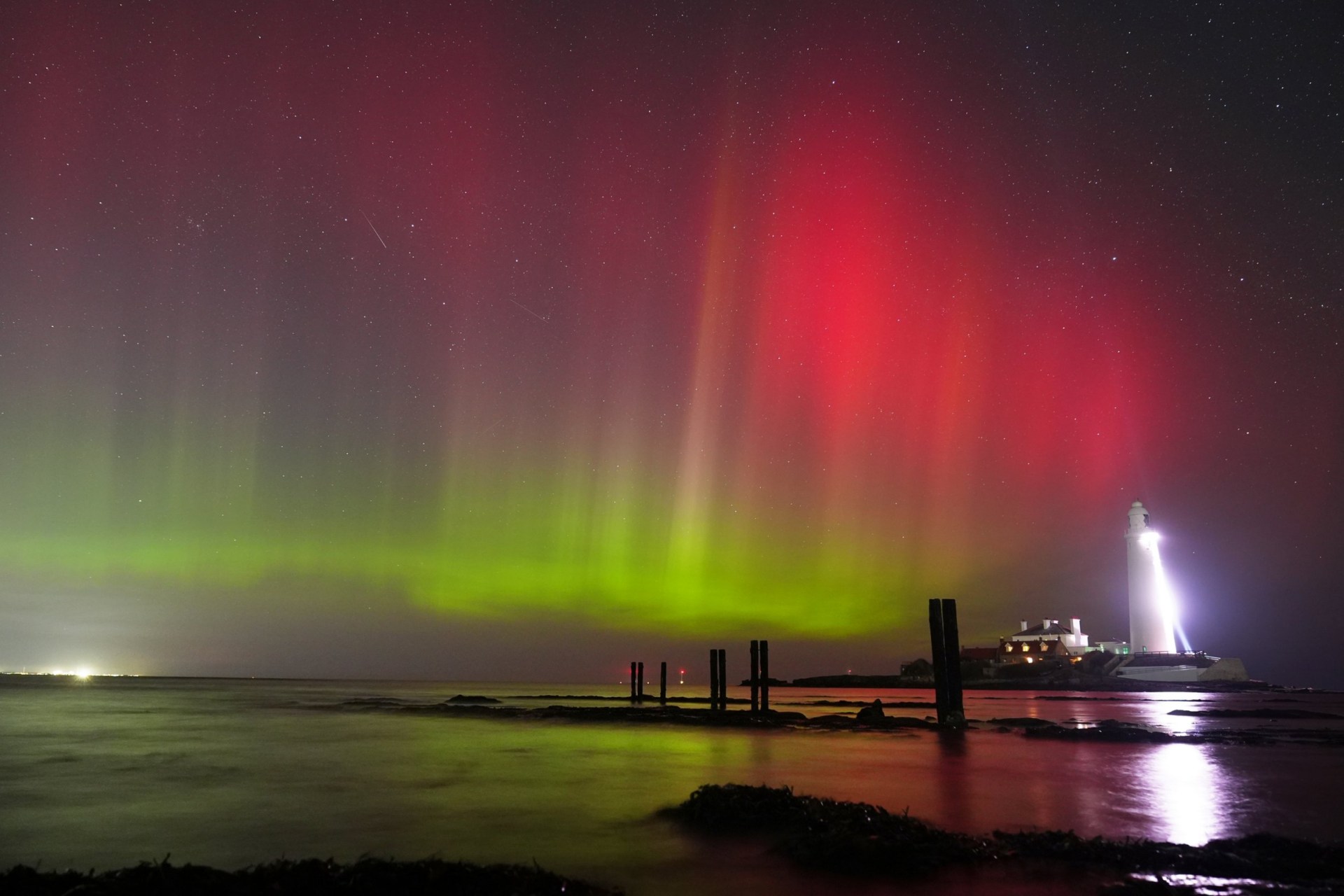
A powerful solar storm, often referred to as a 'cannibal' storm, is expected to hit Earth today. This event could bring the Northern Lights, power outages, and GPS disruptions. The storm was triggered by an explosion of particles from the Sun on Sunday, which has already started affecting communication systems and navigation tools.
The British Geological Society (BGS) has stated that this 'cannibal' storm, described as one of the largest in 20 years, will reach the UK this afternoon. Solar storms, also known as geomagnetic storms, occur when the Sun releases particles that collide with Earth's magnetic field. These events can generate electrical currents and magnetic fields that may damage spacecraft and disrupt power grids.
Sign up for all of the latest stories
Start your day informed with 's News Updates newsletter or get Breaking News alerts the moment it happens.
The UK has already experienced the strongest geoelectric field at ground level since BGS records began. Jim N R Dale, a senior meteorologist at the British Weather Services, mentioned that the world should expect some communication 'fallouts'. He emphasized that while it's not the end of the world, it's a reminder of the Sun's immense power.
American space officials have issued a warning about the 'severe' solar storm, noting that the particles could pose a risk to satellite systems. They added that power system voltage irregularities are possible, and some protection devices might trigger false alarms.
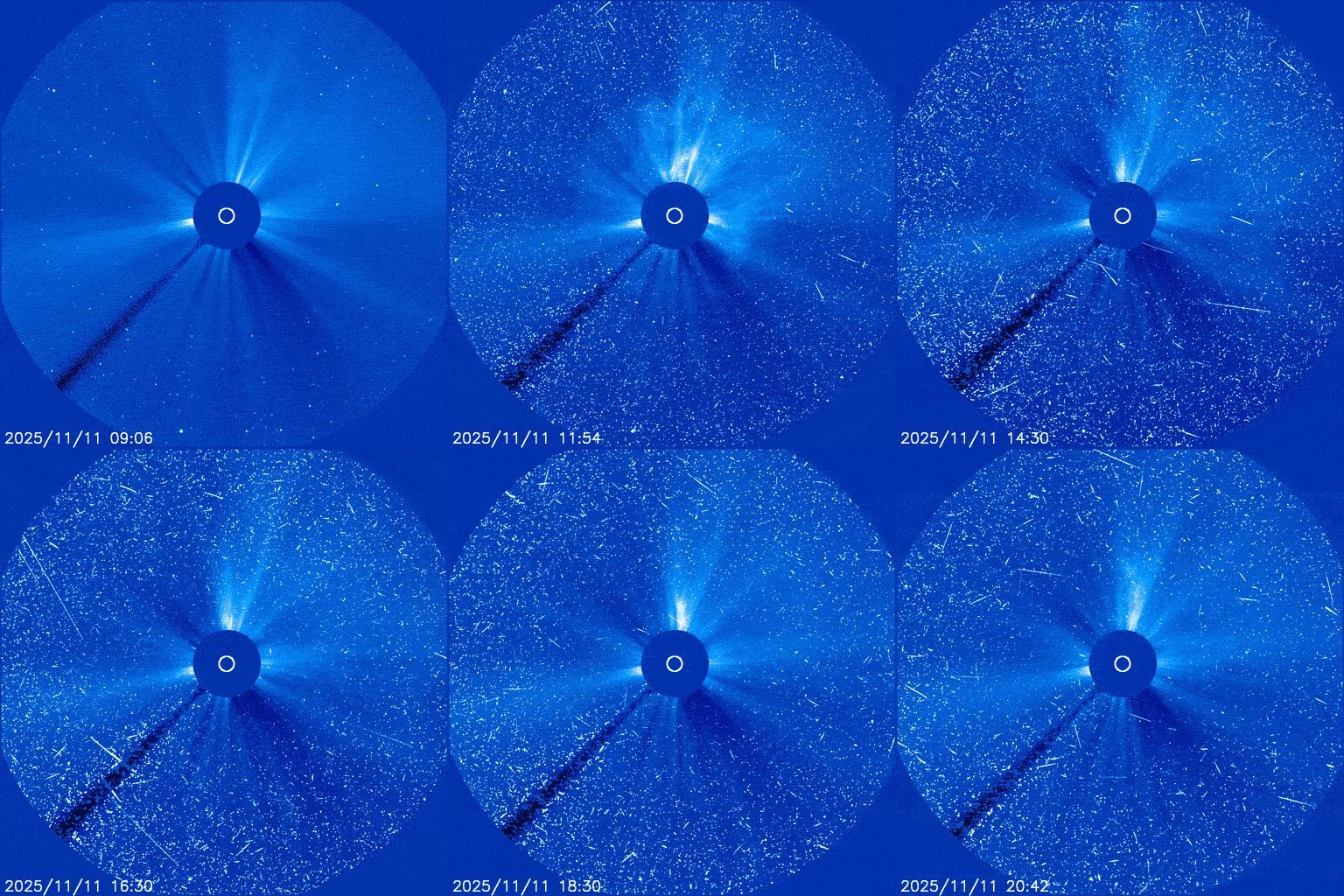
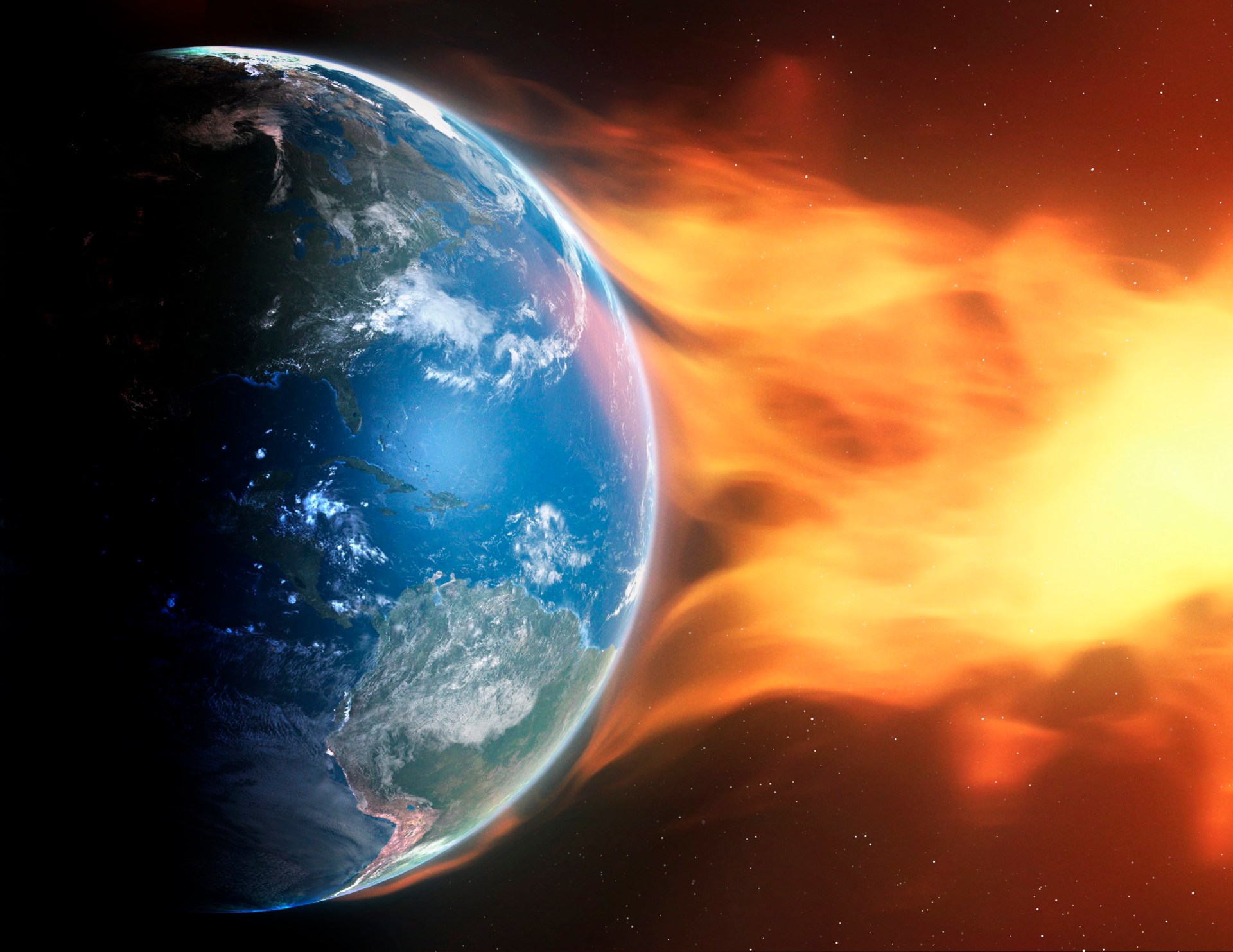
Astronauts orbiting Earth may face increased radiation exposure, but Earth's magnetic field will protect residents. The release of solar particles is known as a coronal mass ejection, where about a billion tons of plasma are thrown into space. These particles erupted from a group of sunspots and are now heading towards Earth.
According to the Met Office, three blobs of solar material will hit Earth from today through Thursday morning. The aurora borealis, or Northern Lights, is typically visible in the auroral oval, which includes areas like Iceland, Canada, Alaska, and the polar caps. However, under certain space weather conditions, the lights can be seen in the UK.
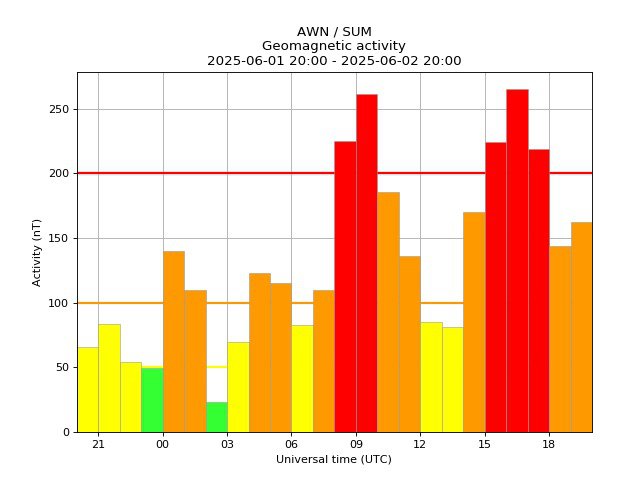
AuroraWatch UK has issued five red alerts for the Northern Lights today, indicating that the aurora is likely visible across the UK. An amber alert suggests that the lights will be visible from Scotland, northern England, and Northern Ireland.
Space forecasters from the Met Office noted that solar winds remain 'very strong and turbulent' but will begin to 'wane' from tomorrow. They added that while aurora sightings are possible in the northern half of the UK initially, the chances decrease over time.
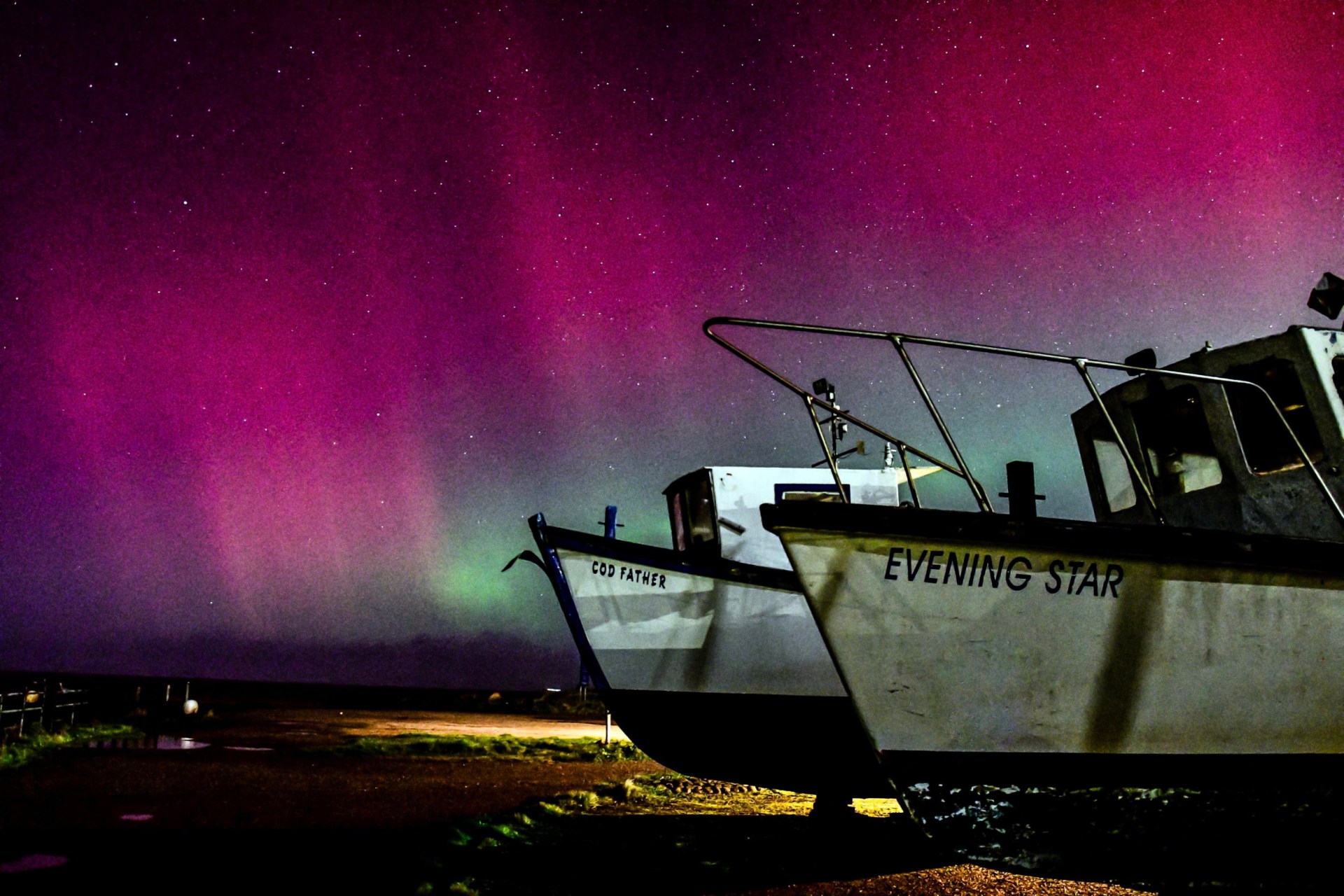
People in England, Wales, and Scotland were treated to the neon lights show yesterday. The Earth's magnetic field acts as an invisible force field, protecting it from space debris, including solar particles. When these particles interact with the atmosphere, they produce glowing colors.
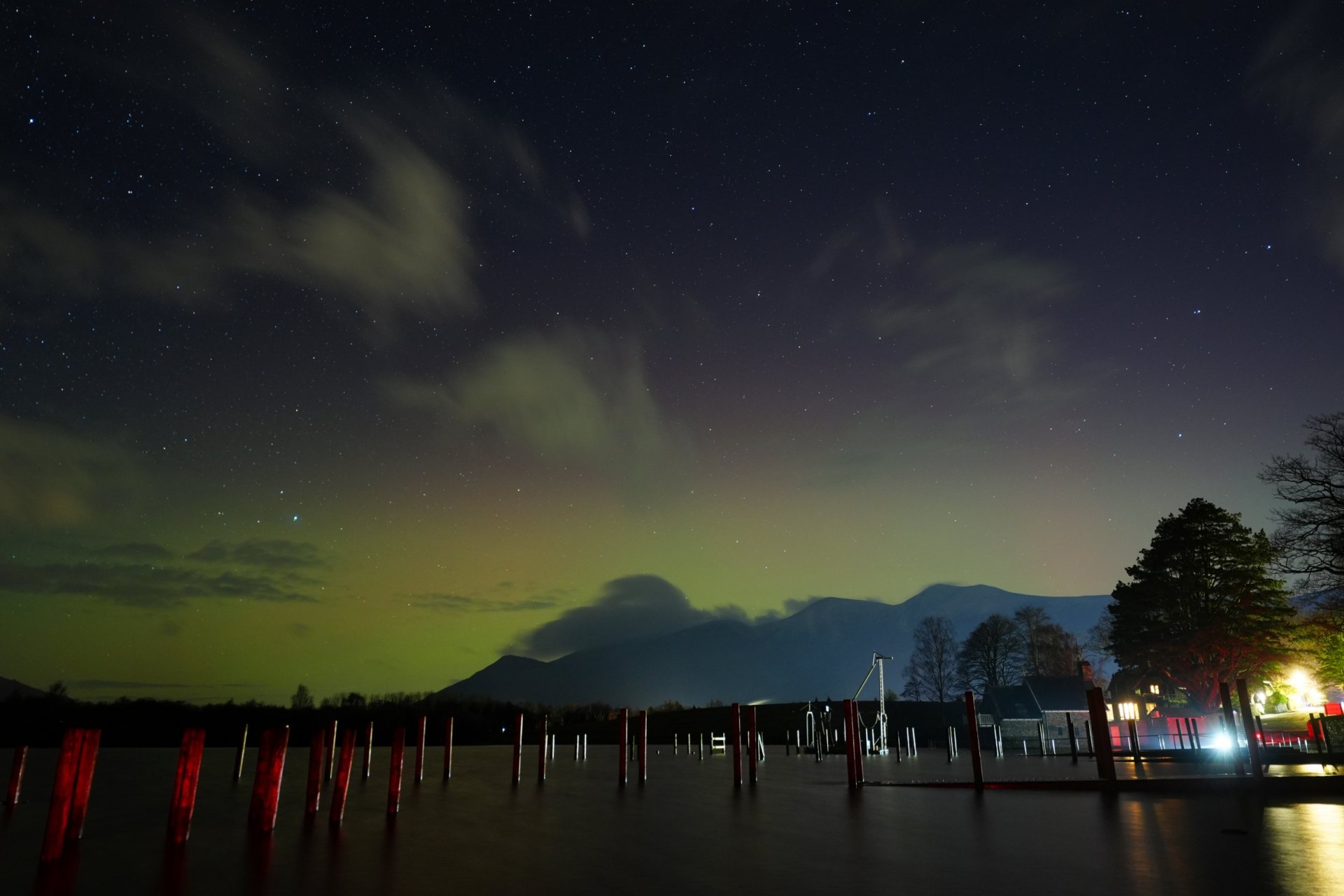
The peak Aurora season in the UK runs from September to mid-March, but the phenomenon can occasionally appear in summer as well. The best places to see the Northern Lights are around the Arctic Circle in Lapland, Iceland, Canada, and Alaska. However, during intense geomagnetic activity, the auroral zones can spread further south.
The Northern Hemisphere has been witnessing the lights more frequently recently due to the Sun being in a 'solar maximum', the peak of its 11-year cycle. During this period, the Sun produces more coronal mass ejections, which travel at 1,000 miles per second and take a day to reach Earth. These events cause geomagnetic storms that impact power grids and increase the likelihood of the Northern Lights.
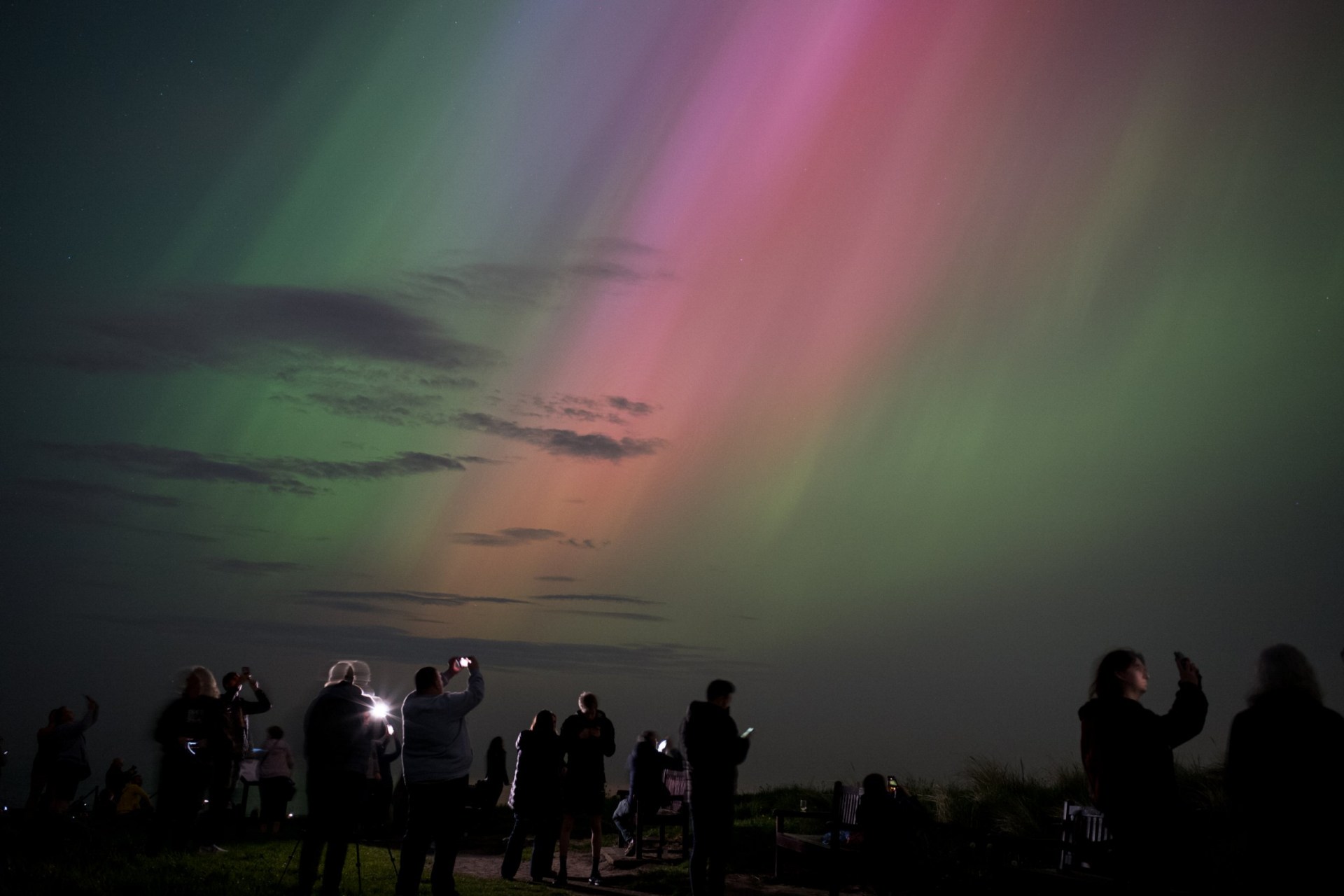
The different colors of the Northern Lights are caused by the interaction of solar particles with gases in the atmosphere. Oxygen produces green hues, while nitrogen creates purple, blue, or pink colors. Red auroras occur when oxygen is at high altitudes, interacting with solar particles.
For the best viewing experience, choose a rural area away from light pollution. North-facing coastlines and elevated locations are ideal. Use light pollution maps to find the darkest spots near you. If the aurora is forecast in your area, head to a remote location for optimal stargazing.
Got a story? Get in touch with our news team by emailing us at webnews@.co.uk. You can also submit your videos and pictures here. For more stories like this, check our news page. Follow .co.uk on Twitter and Facebook for the latest news updates. You can now also get .co.uk articles sent straight to your device. Sign up for our daily push alerts here.
