Why Young Australians Can't Afford City Homes
The Fading Dream of Inner-City Homeownership
The dream of owning a freestanding house in the inner city is becoming increasingly out of reach for most Australians. Recent data highlights a growing imbalance between demand and supply, making it harder for buyers to find affordable options. This issue has only worsened under the current government, with more people competing for limited housing stock.
In major cities like Sydney, Melbourne, and Brisbane, the gap between what buyers can afford and what is available on the market is widening. According to a report from Domain, an online listings platform, buyer searches for houses are $300,000 lower than the median listing prices within 10km of the city center. This significant disparity makes it nearly impossible for many Australians to purchase a home in these areas.
Nicola Powell, Domain’s chief economist, emphasized that the inner ring of cities is "pretty much unattainable" for most buyers. While the price gap narrows as buyers look further from the city center, this trend is not consistent across all cities. In Sydney, for example, house listings remain $150,000 more expensive than searches in the middle ring.
The Value of Freestanding Homes
Despite the challenges, some experts believe that freestanding homes still hold strong potential for capital growth. Emma Bloom, a buyers advocate in Melbourne, noted that land is a finite resource, and as such, freestanding houses are often seen as the best investment.
“Freestanding houses are the best investment because God's not making any more land, so everyone wants their little patch of dirt,” she said. However, with the supply dwindling and demand increasing, even well-located blocks of land are becoming unattainable for most Australians.
Bloom also suggested that the Australian dream may shift from having a backyard with a Hills Hoist to simply having a balcony with some sunshine.
The Premium for Houses Over Units
The premium for buying a house over a unit has reached record levels. According to property data firm Cotality, the difference was $363,000 in October, or 49.9% higher than the cost of units. This is a significant increase from five years ago, when the premium was just 20%.
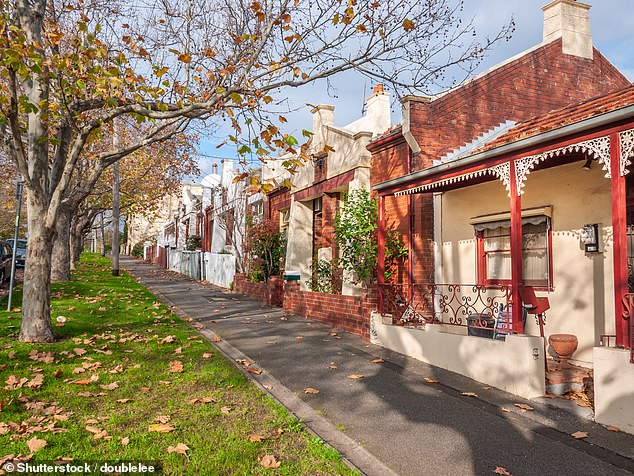
Chris Clarke, a buyers agent based in Sydney, believes the post-pandemic surge in prices was a turning point for young people hoping to buy a house in the inner city. Many have had to move further out in search of affordable land, while others have given up on the idea of owning a freestanding home altogether.
“In both scenarios, it's a bitter pill to swallow. You're sacrificing a house for location or location for a house,” Clarke said.
Challenges in the Housing Market
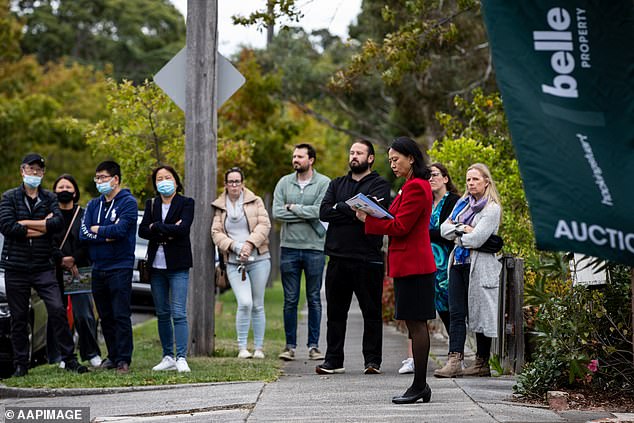
Unit listings were generally in line with buyer searches across most urban areas, except for Sydney’s inner ring. However, even inner-city apartments are significantly more expensive than the cost to build due to restrictive zoning laws.
Justin Simon, founder of pro-development group Sydney YIMBY, pointed out that these restrictions are causing issues in other areas as well. For example, he mentioned that school enrollments in Bondi Public School are falling rapidly, forcing parents to crowd-fund for extra teachers to run enrichment classes.
The Future of Homeownership
With house prices continuing to rise, many first-time buyers are looking for alternative options. The affordability crisis in cities like Sydney and Melbourne is pushing homebuyers to consider more distant areas. As the cost of living increases, the question remains: where will aspiring homeowners turn next?
Will the dream of owning a home become a distant memory for many Australians? Only time will tell, but one thing is clear—housing affordability is a growing concern that needs urgent attention.
