Zoo owner fined £20k after parasite infects 264 people in Singapore
Petting Zoo Ordered to Pay £20,000 After Outbreak of Dangerous Parasite
A petting zoo has faced severe consequences after hundreds of visitors were infected with a dangerous parasite. The incident led to the farm being ordered to pay a total of £20,000 in fines and compensation. A total of 264 people, including a significant number of children, contracted the Cryptosporidium parasite, which can cause severe stomach issues such as vomiting and diarrhea.
Sharon Wheeler, the owner of Hazelgrove Farm, pleaded guilty at the Southampton magistrates' court for a safety offense. The offense stemmed from children being seen kissing goats that were visibly covered in faeces. Around five percent of those infected were taken to the hospital overnight, as parents feared the worst for their children due to the life-threatening nature of the illness.
Parents also caught the parasite, leading to 1,254 working days lost because of illness or caregiving responsibilities. A joint investigation by the Health and Safety Executive (HSE) and the UK Health Security Agency (UKHSA) traced the infections back to the farm on the Isle of Wight.
The investigation revealed that Wheeler hosted an animal bottle-feeding event at the farm, where more than 30% of attendees became infected. A total of 2,400 tickets were sold between April 4 and May 1, 2023, allowing visitors to purchase a bottle to feed a lamb or goat kid.
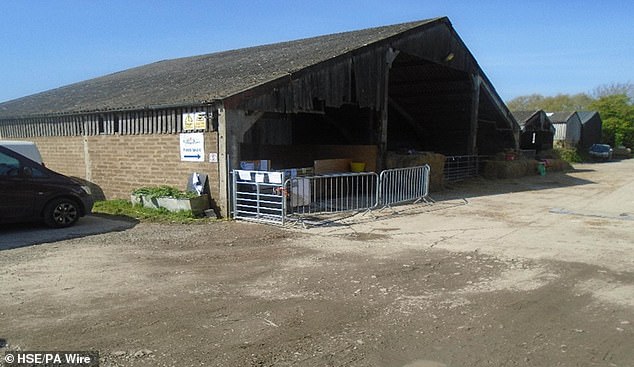
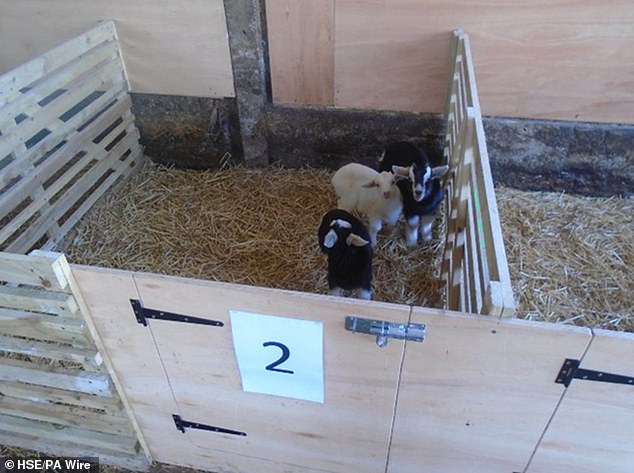
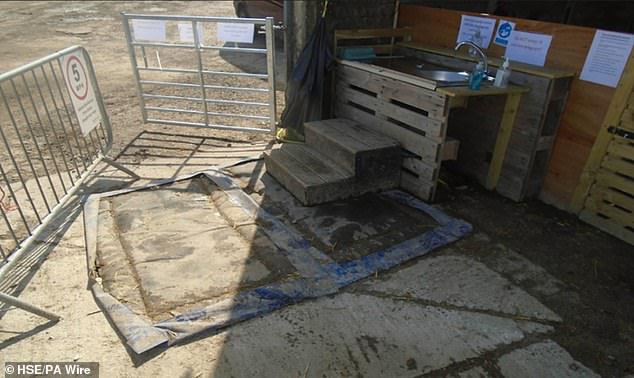
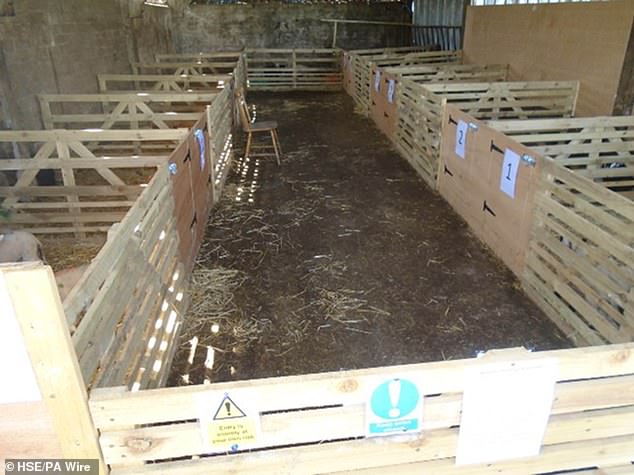
Other failings identified during the investigation included "inadequate washing and drying facilities" because guests used reusable washcloths. There was also a lack of information and instruction provided to both visitors and employees. Additionally, the inquiry found "inadequate control and supervision of visitor contact with animals."
Some guests continue to suffer from gastrointestinal issues since the event, while others have experienced multiple hospital stays. Wheeler, from Ryde, pleaded guilty to the offense under the Health and Safety at Work Act 1974 and was fined £8,000. She was also ordered to pay £9,528.35 and a surcharge of £3,200.
During her judgment, District Judge Rachel Galloway highlighted the psychological toll and PTSD endured by the victims. She considered the parasite's life-threatening nature and the fear parents had for their children's recovery.
HSE inspector Francesca Arnold spoke after the hearing to emphasize the importance of understanding farm risks. She stated that farmers need to recognize the hazards on-site and ensure all guests are adequately protected. "Health risks from contact with the animals need attention and must be controlled," she said. "If the zoonotic risks had been properly controlled, this incident could have been avoided, but the failures during the animal feeding activity meant a large number of visitors became ill, and some suffered lasting effects."
Arnold added that visits to farms and farm attractions can never be considered free from risk. She noted that using control measures and safe practices can help reduce risk levels for both the public and staff while still providing a valuable and enjoyable recreational and educational experience.
Key Issues Identified in the Investigation
- Inadequate washing and drying facilities: Guests used reusable washcloths, which contributed to the spread of the parasite.
- Lack of information and instruction: Both visitors and employees were not properly informed about the risks involved.
- Poor supervision: There was insufficient control over how visitors interacted with the animals.
Impact on Visitors
- Many visitors continue to experience gastrointestinal issues.
- Some individuals have required multiple hospital visits.
- Parents and caregivers have lost a significant number of working days due to illness or caring responsibilities.
Lessons Learned
- Farms must prioritize health and safety protocols to prevent similar incidents.
- Proper training and clear communication are essential for both staff and visitors.
- Implementing control measures can significantly reduce the risk of infection and protect public health.
By addressing these issues, farm operators can ensure that visitors enjoy a safe and educational experience while minimizing the potential for health risks.
